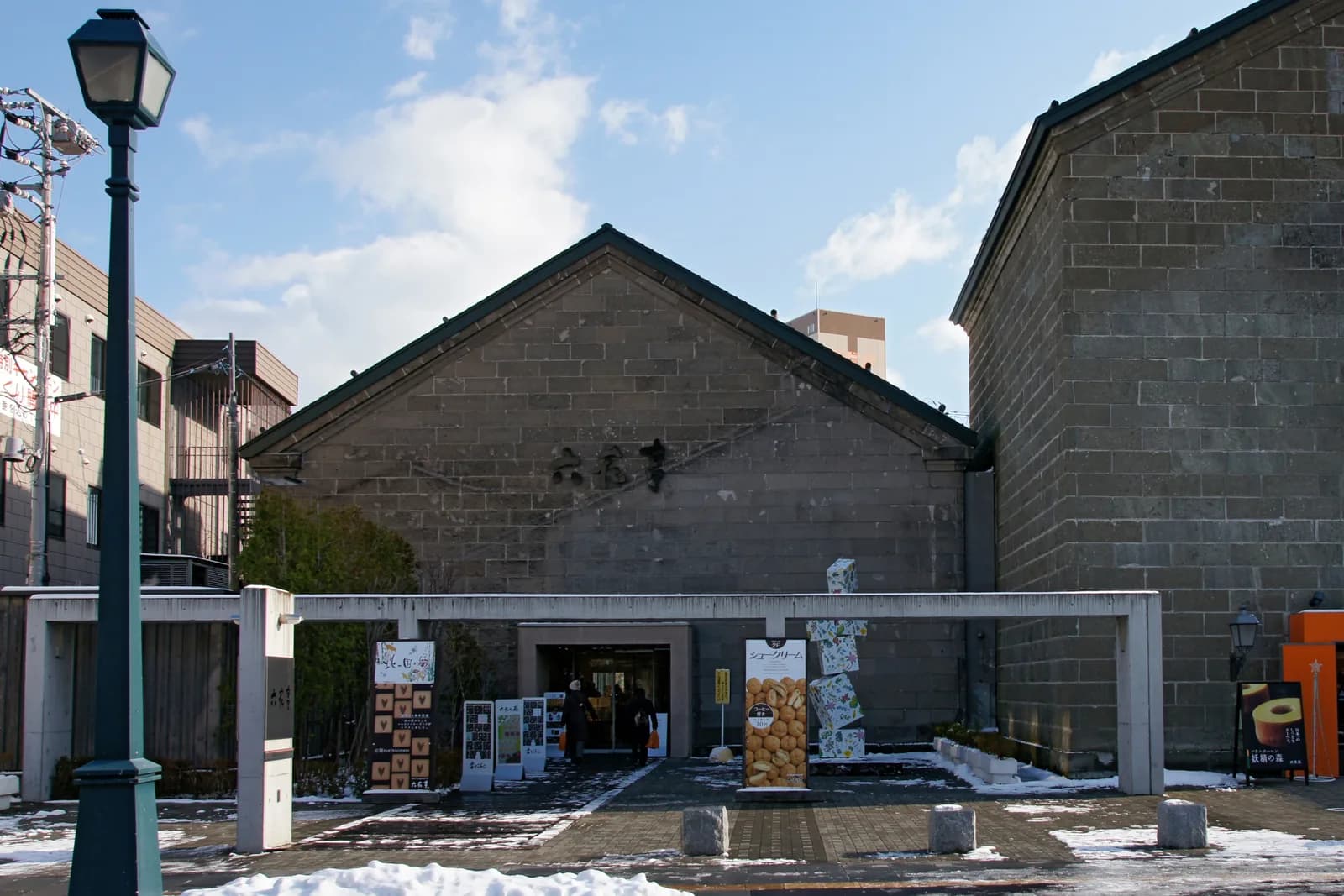
On a first visit to Otaru, focus on the canal and Sakaimachi shopping street. This gives you time for the waterfront, a proper lunch and a few shops without turning the day into a checklist. Save the aquarium or Mount Tengu for a different plan unless you shorten the town walk.
Start at Otaru Station, walk to the canal, then continue to Sakaimachi. Allow roughly 4–5 hours in town, plus the train journeys to and from Sapporo. That is our editorial suggestion for a relaxed half-day outing, not a measured journey time. If walking is tiring, the canal and lunch can be your entire visit.
How to get from Sapporo to Otaru
Take a JR train bound for Otaru. Services terminating at Teine or Hoshimi do not reach Otaru. Check your train in the JR Hokkaido train guide.
Checked on 3 October 2026, the official fare table lists adult one-way Sapporo–Otaru tickets at ¥800 non-reserved, or ¥1,800 total with a reserved seat. Kitaca and compatible IC cards such as Suica work for the non-reserved journey; a reserved seat needs an additional reservation. Check the current timetable for both journeys.
How much time do you have in Otaru?
Count the hours you will actually be in the town, after the trains at both ends. Then choose the version that fits, rather than shortening every stop.
| Time in Otaru | What fits comfortably | Finish at | Leave for another trip |
|---|---|---|---|
| 2–3 hours | The canal and one meal, or the canal and a few shops near it | Otaru Station | The far end of Sakaimachi, anything with an admission ticket |
| Half a day, roughly 4–5 hours | The walk in this guide: canal, lunch, two or three Sakaimachi shops | Otaru or Minami-Otaru, whichever you end up nearer | The aquarium and Mount Tengu |
| A full day | The town walk plus one of the aquarium or Mount Tengu, with its own transport checked first | Otaru Station, with time in hand | Doing both in the same day |
| Into the evening | Canal at dusk after the shops close, then the train back | Otaru Station | Souvenir shopping, which ends earlier than the view |
The tourism association publishes its own model courses with times attached, which is a useful reality check. Checked on 23 September 2026, its canal-area course was described as about two hours, and the route out to Mount Tengu for the night view as about three and a half. Those figures are the association's own course estimates, not ours; your meals, breaks and shopping come on top of them.
For half a day, we would keep to the canal and Sakaimachi. If you want the aquarium or Mount Tengu as well, check the transport and time needed for that trip first and shorten the town walk to match.
Where to leave your luggage: plan the route around the pick-up point
Settle the luggage question before the walking route, because the place where you collect your bags decides where the day has to end. The facility information below comes from the official listings linked in this section. The three options, the checklist and the route advice are our own planning suggestions.
- Going back to the same Sapporo hotel: Leave the suitcase in your room and travel with a day bag. If you are checking out that morning, ask the hotel before you leave whether it will hold bags, whether that works before and after check-out, and until what time you can collect them. Policies differ, so do not assume it is always possible or free. Our Sapporo area guide helps if you are still choosing a hotel.
- A coin locker in Otaru: The Otaru Tourism Association's information office list names two separate, neighbouring facilities by the canal, not at the station. Coin lockers are listed for the Otaru International Information Center (Minatomachi 5-3), placed in its attached shop, Port Marché otarue. The Otaru Canal Tourist Information Office (Minatomachi 5-4) lists paid coin lockers. The listing does not give locker sizes, numbers, fees, payment methods or access hours, and it cannot show whether one will be free on the day. Check those details before you carry a suitcase down to the canal.
- No suitable locker: Shorten the visit to the canal and one meal, or move Otaru to a day when the bags can stay at the hotel.
The staffed luggage desk once offered by the Otaru Station tourist information office is now listed as suspended. That notice covers that desk only. It does not say whether coin lockers at the station, the tourist information office itself or train services are operating. Older pages quoting the desk's price and hours are out of date.
Before you walk away from a stored bag, check four things:
- Place: Which facility is it, and where exactly will you pick the bag up?
- Size and space: Will your bag fit, and is a locker free right now?
- Price and payment: How much is it, and which payment methods does it accept?
- Collection deadline: Until when can you get the bag back, and does that still leave time to reach your return train?
Your bags decide where the walk ends. If anything is stored in Otaru, walk back to the place where you will collect it, and only then head to the station. Not every storage option is at Otaru Station, so do not plan the return as if your bag were waiting there. Finish at Minami-Otaru only if you left nothing behind, or after you have collected it.
If you are flying out the same day, add up the time to collect your bags, the actual journey to the airport and your airline's check-in deadline before deciding how long to stay. Our Hokkaido getting-around guide helps with the train legs. If the numbers leave too little time in Otaru, save it for another day. The official listings in this section were checked on 17 October 2026, and opening hours can change with the season and events.
Your walking route
- Otaru Station: Check your return train. If you are storing a bag in Otaru, go to the facility you have already checked.
- Otaru Canal: Head downhill toward the waterfront and explore the canal-side paths.
- Sakaimachi Street: Continue through the shopping area, stopping for lunch, glassware or sweets.
- Return station: Collect any stored bag first. Then walk back to Otaru Station or consider Minami-Otaru Station, depending on your location and energy.
Use the tourism association's route collection and the official English Sakaimachi map to place your stops. A short distance on the map can take much longer once you browse shops.
The canal: Make time to look around
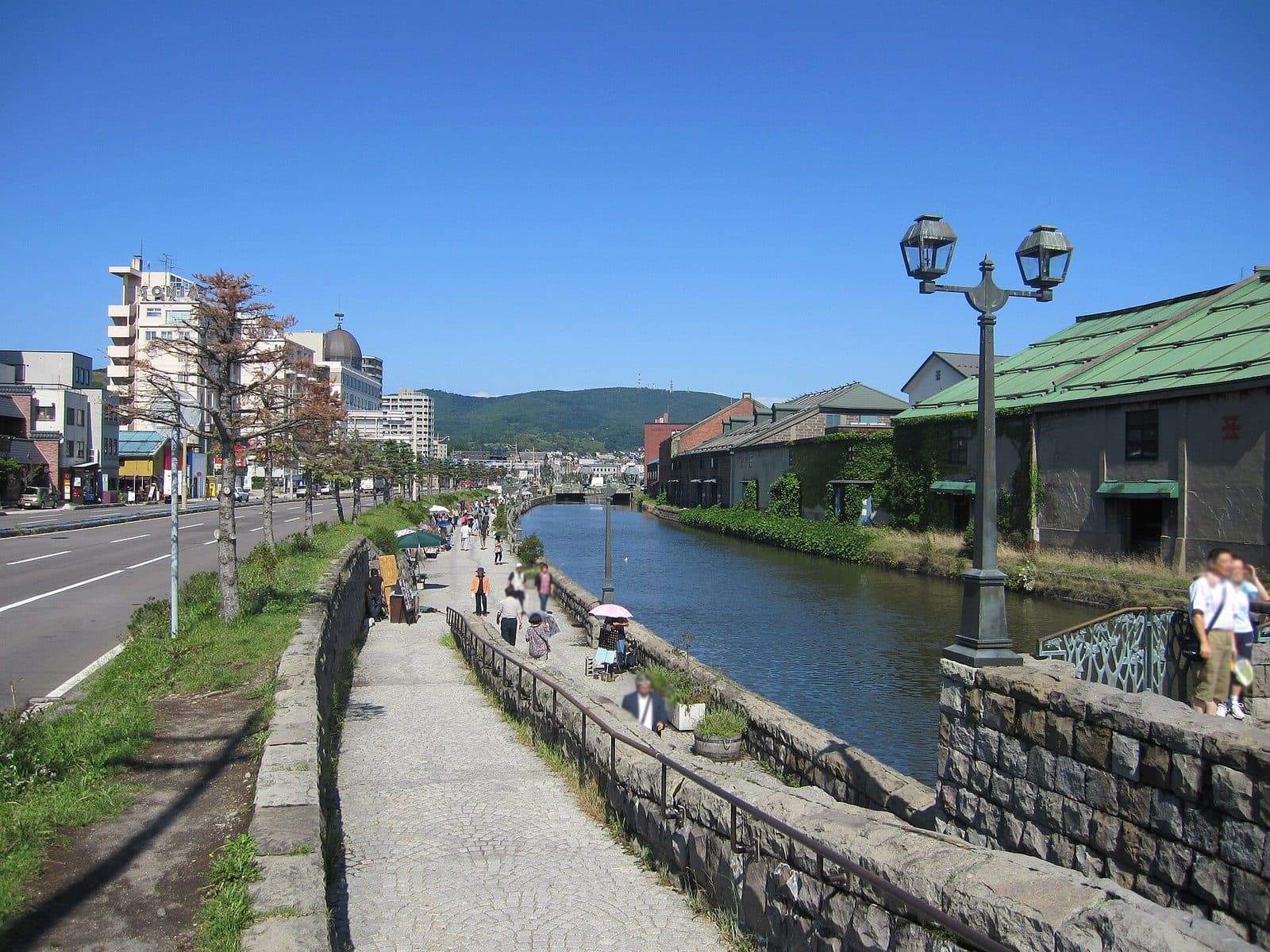
Pause for the warehouses, water and changing viewpoints instead of taking one photograph and moving on. If a bridge is crowded, keep walking to find space along the route. Leave the path clear for other visitors.
For both daytime and evening views, visit the canal first, shop afterward and return near dusk. Check your train and dinner plans before staying later. Evening scenery does not mean shops will still be open.
Lunch: A seafood meal or a day of small bites
If lunch is your main event, compare menus before joining a queue. For sushi or a seafood rice bowl, look at the ingredients, portion size and total price. Choose a meal that fits your budget rather than assuming every restaurant offers the same experience.
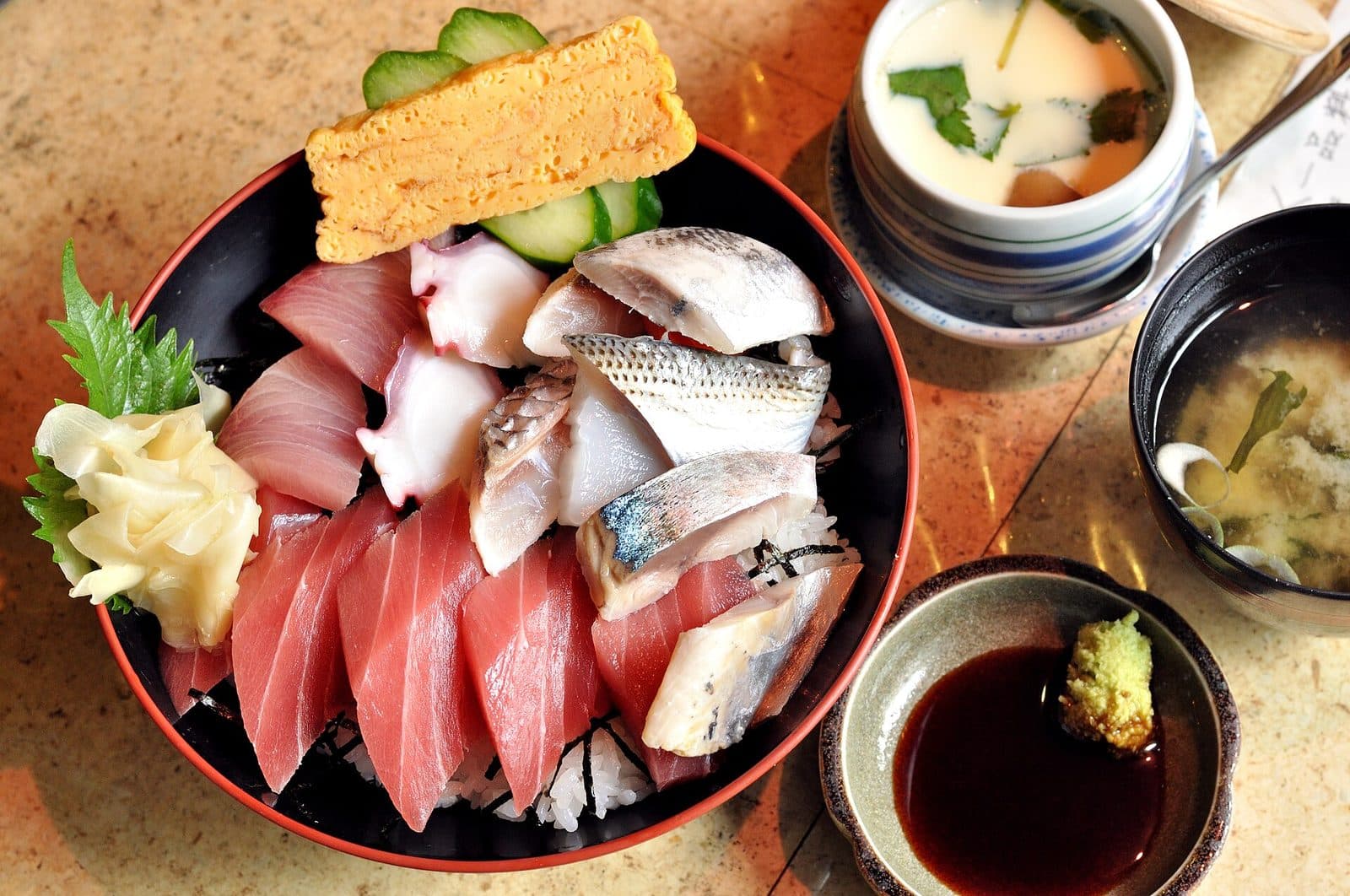
This seafood photograph illustrates the type of dish; it is not a menu item from a restaurant recommended in this article.
If you would rather visit several sweet shops, keep lunch lighter and include a seated break. Check storage instructions for food souvenirs, and buy chilled items toward the end of the day. Our Hokkaido food guide explains more of the dishes you may encounter.
Use our Otaru food guide to choose your stops: a seafood bowl near the station before your walk, or a route planned around a sushi restaurant booking. It also covers a Sakaimachi café stop, so you can plan lunch and a seated break together.
Sakaimachi: Choose a few shops, not every shop
Browse the glassware and confectionery shops at your own pace. Pick two or three places you want to spend time in rather than rushing through the whole street. The photograph is historical and should not be used to infer current opening hours or services.
Check the official information for any must-visit shop. If you book a hands-on activity, place that appointment first in your schedule and move lunch or the canal walk around it.
Otaru Station or Minami-Otaru Station for the return?
If you stored a bag in Otaru, collect it first and choose the station from there. If you finish near the southern end of Sakaimachi with nothing left to collect, Minami-Otaru may be another option. The walk involves slopes, so consider your stamina and the surface conditions rather than relying only on a map's walking estimate.
If you are tired, check available local buses or taxis. Search the journey from your actual departure station all the way to your Sapporo hotel. Review JR Hokkaido's service information before travelling.
If Otaru is a stop on the way somewhere else
Otaru works as a half day inserted into a longer journey, as long as you treat the onward leg as the fixed point. Confirm the departure you need to catch, work backwards to the latest useful time to leave the shops, and only then decide how far down Sakaimachi to walk.
Heading to Noboribetsu Onsen afterwards is the common version of this. By train you travel back towards Sapporo and change there for the limited express, and the onsen town sits inland from Noboribetsu Station, so the last stretch is a separate connection again. If your ryokan serves dinner, check the sitting time as well as the last train before fixing your departure from Otaru. Otaru to Noboribetsu Onsen sets out the rail, bus and driving options and what to check for each.
Short visits, rain and snow
With only two or three hours, choose the canal and one meal. Leave enough time to return to the station; this is a suggested allocation, not a promise that every stop will fit.
In rain, make an indoor shop or exhibition the main stop and keep the canal walk brief. On icy days, reduce steep walking and change transport if you do not feel steady. Adding the aquarium or Mount Tengu requires a different transport plan: remove part of the town walk or consider staying overnight.
For the wider trip, see our three-day Sapporo and Otaru itinerary and day-trip comparison.
Find a place to stay
These are affiliate links. We may earn a commission if you book — the price you pay is the same. Learn more

Northern Land Hokkaido Team — Sapporo, Japan