Hokkaido rewards a transport plan that is made before you book every hotel. A car makes some rural days much easier; it also creates a parking, winter-driving and return-to-airport problem that you do not need in Sapporo. Trains and buses work well on particular corridors, but a station is not always the place you actually want to sleep.
Start with each overnight stop, not with a mode of transport. Then check the last stretch: station to onsen town, airport to hotel, or resort bus stop to accommodation. That is where otherwise sensible plans usually break. Below, six common journeys are compared side by side, followed by what an IC card does and does not cover on JR.
Six common journeys compared
Decide where you are starting, where you are going and where you are staying first, then compare the options below. Follow each detailed route guide for fares and times, and check the operator's status for your travel date.
Scroll sideways to see the whole table.
| Journey | Options to compare | What to check | Detailed guide |
|---|---|---|---|
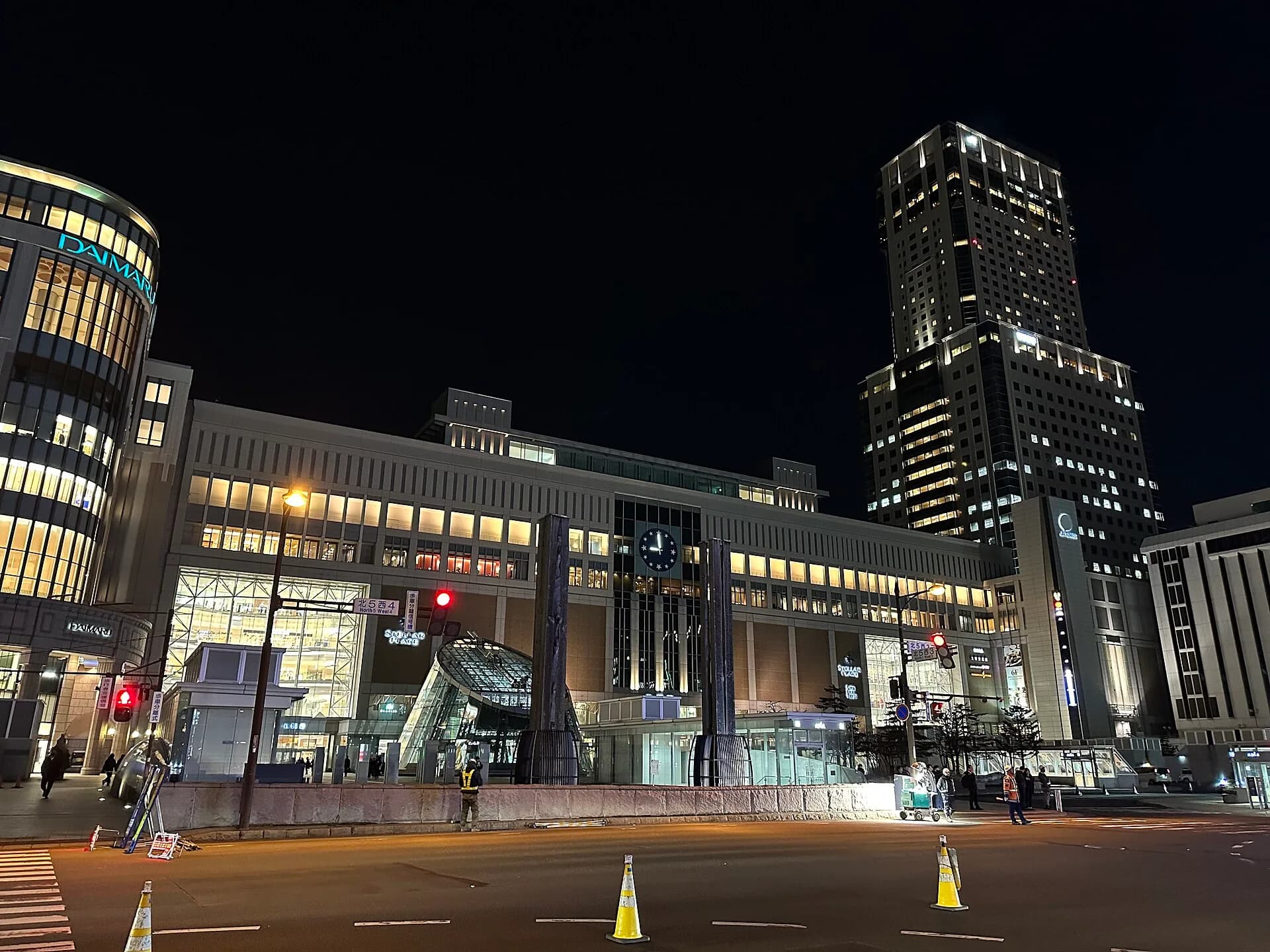
| New Chitose Airport to Sapporo | JR train or airport bus. | Which one stops closer to your hotel, and how far you would walk with luggage from Sapporo Station or the bus stop. | New Chitose to Sapporo |
| Sapporo to Otaru (day trip) | JR and walking. | How you will cover the last local leg if you add places beyond walking distance, such as Tengu-yama or Shukutsu. | Otaru day trip |
| New Chitose Airport to Niseko | Seasonal resort bus, JR with a change, or private transfer. | Whether your date falls within the resort bus's seasonal operating dates and suits your flight time; a winter service may not run in summer. Also whether your hotel offers a pickup. | New Chitose to Niseko |
| New Chitose Airport to Noboribetsu Onsen | Direct bus when it is operating, or JR to Noboribetsu Station. | The station is not in the onsen town. Plan the bus, hotel shuttle or taxi for the last stretch. | New Chitose to Noboribetsu |
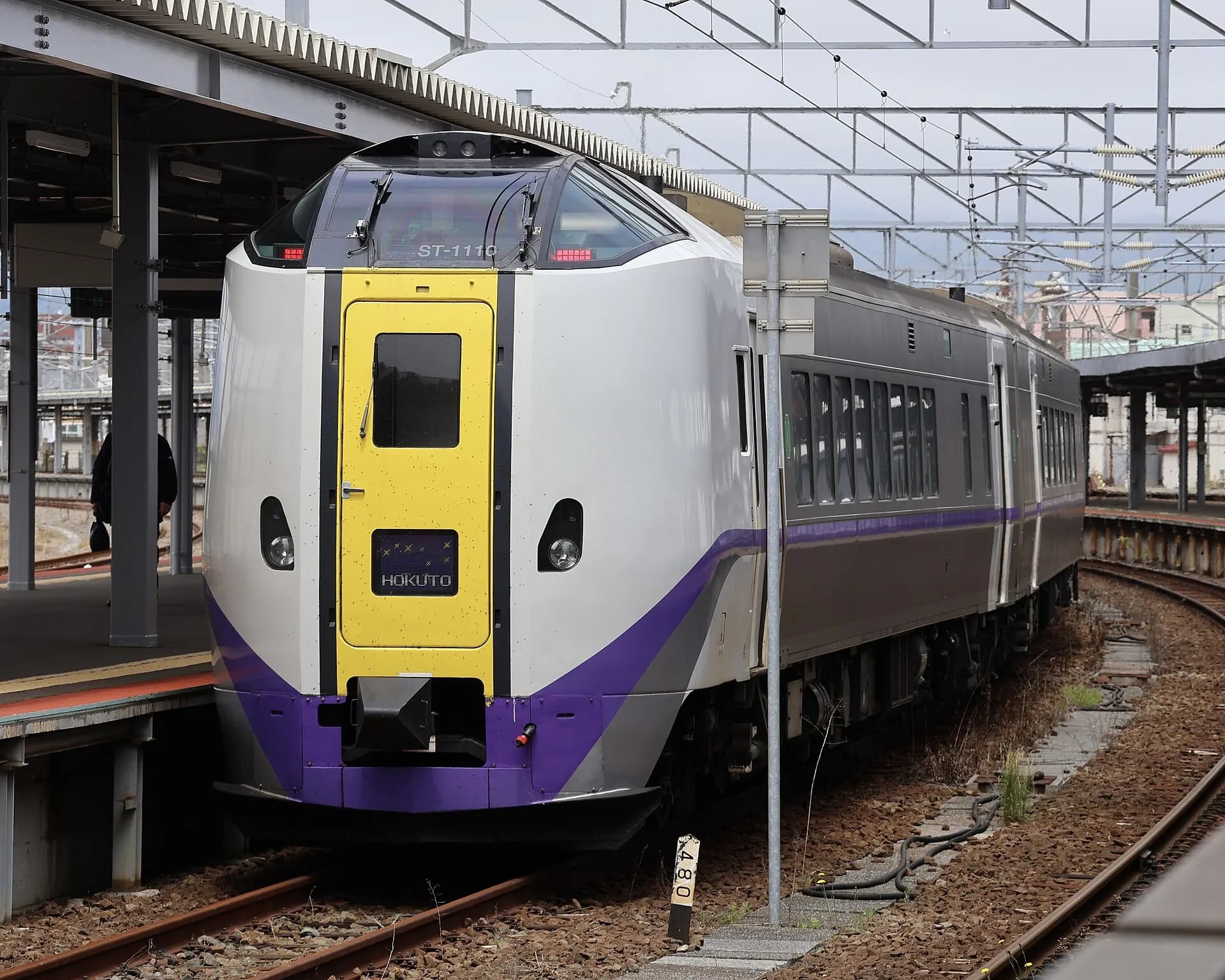
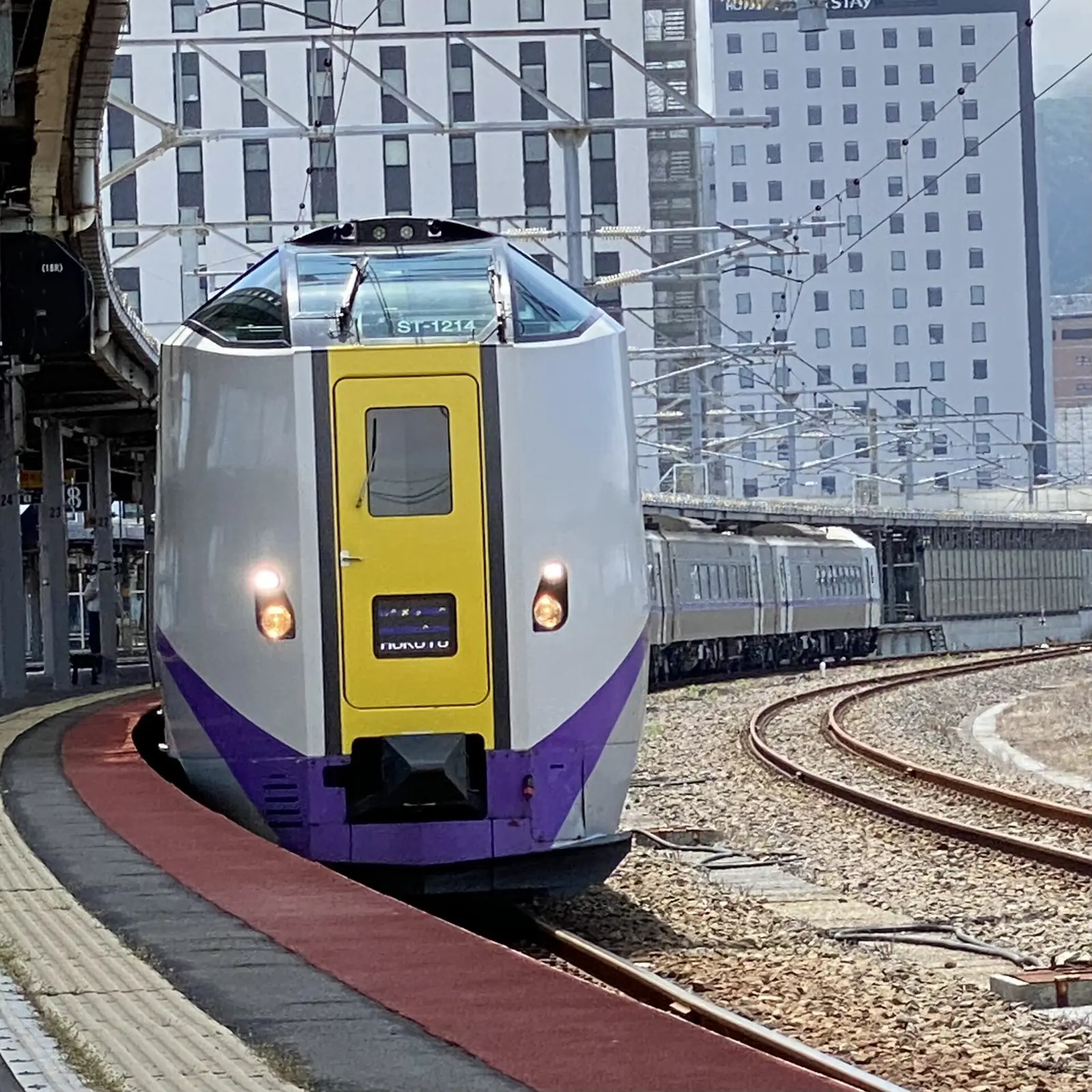
| Sapporo to Hakodate | Hokuto limited express, highway bus, or car. | Whether you are staying near Hakodate Station or elsewhere in the city, and reserving a seat if you take the Hokuto. | Sapporo to Hakodate |
| Sapporo to Lake Toya | JR to Toya Station plus a local bus, direct bus, or car. | Toya Station is not on the lakeside. Check the bus to Toyako Onsen for both the outward and return journeys. | Lake Toya guide |
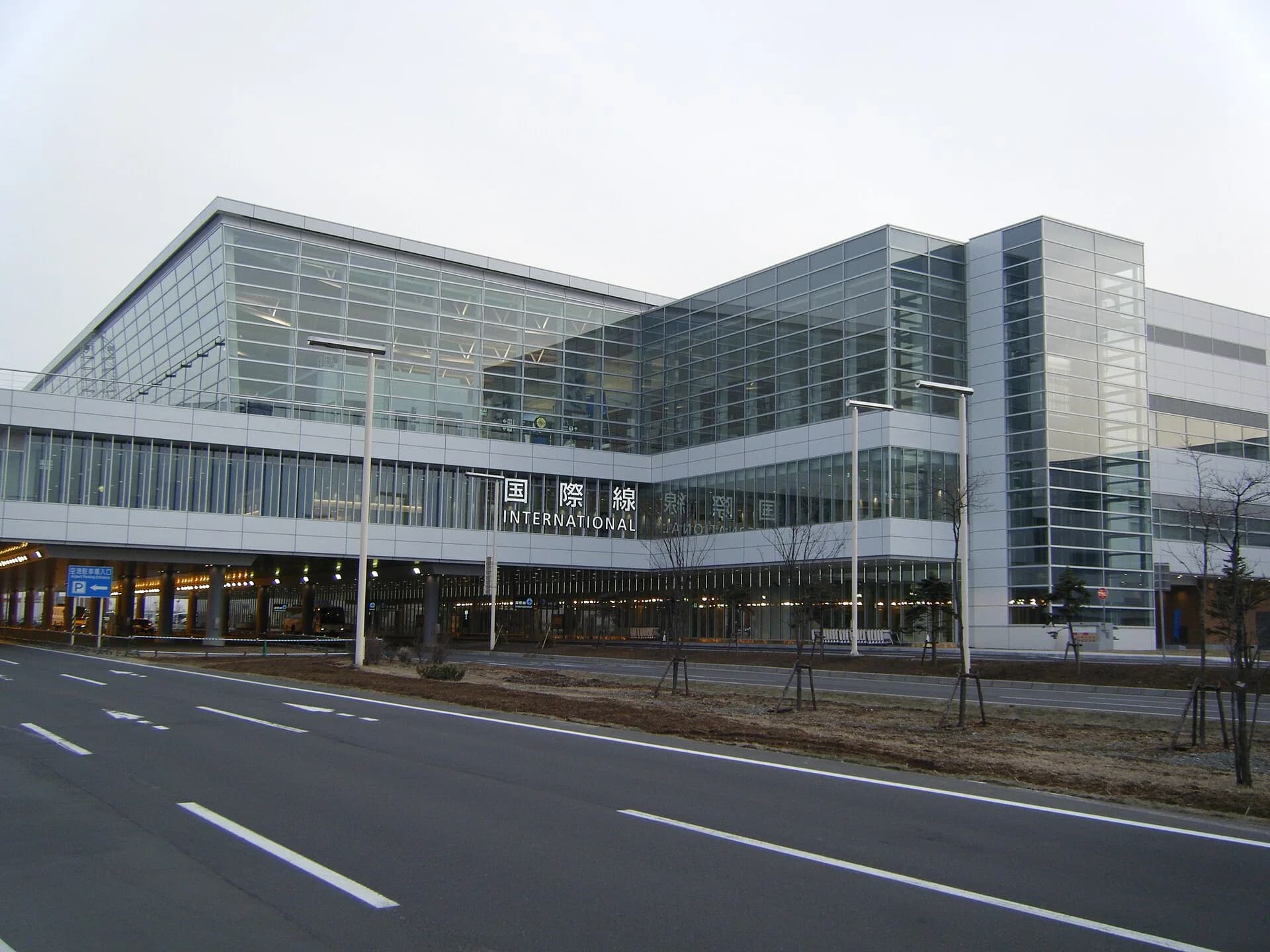
Landing in the evening narrows every option above. Read arriving late at New Chitose before you book; don't assume a train, bus or taxi will still be waiting.
Choose the transport around your overnight stops
Stay in Sapporo and take a day trip to Otaru: use JR and walk. A car adds parking without making the central day easier. The Otaru town guide explains when to add Tengu-yama or Shukutsu rather than trying to do both.
Stay in Furano, Biei or eastern Hokkaido: a car can make a scattered itinerary more flexible. It is a choice for daylight driving between specific stops, not a reason to add more stops to the day.
Travel from New Chitose to Niseko: compare the bus stop, hotel shuttle and arrival time before choosing a direct bus, rail connection or private transfer. A late flight can make an otherwise cheap route impractical. See New Chitose to Niseko.
Stay at Noboribetsu Onsen: the rail station and the onsen town are separate places. Plan the local bus, hotel shuttle or taxi after the train; do not stop planning at “Noboribetsu Station.”
When a rental car is a good fit
A rental car fits a route with rural accommodation, several stops in the same area, and a driver comfortable with the season. It is less useful for a Sapporo city stay, a Sapporo–Otaru trip, or an itinerary built around airport arrivals and early departures.
A mixed plan is another option: stay in Sapporo without a car, then pick one up only for the days in the countryside. Whether that costs less depends on your dates and rental terms, so compare it rather than assume it. Check where you can collect the car, whether you can return it where your route ends, and whether the rental office is reached by shuttle.
Before reserving, check four things: the exact pickup location, parking at each hotel, whether a second driver is covered, and the return procedure. If you return the car for a flight from New Chitose, add refuelling, the vehicle check, the shuttle from the rental office and check-in to the drive, and work backwards from your airline's check-in cutoff.
In winter, reduce the distance rather than assuming winter tyres make a summer route equivalent. If you have little experience on snow and ice, choose rail, a bus, a transfer, or a shorter route. Our winter transport guide covers the options and backups for snowy days.
Combining rail and a rental car: check the handover day
A mixed journey needs its own plan, not just a shorter rental booking. Write down three versions for the same overnight stops: public transport throughout, a car throughout, and rail plus a car only for the rural section. Compare the party's total cost, not one person's rail fare against the whole car.
- Price the complete handover. Include travel from the station to the rental office, the chosen rental cover and equipment, fuel, tolls, hotel parking and any different-office return charge. Add the rail and local transport still needed on the car-free days. Use the trip-budget worksheet to keep per-person and per-vehicle costs separate.
- Check the exact collection and return times. Confirm office hours and the booked rental period with the company. Do not assume that collecting in the afternoon and returning in the evening on a later day is charged as the same number of calendar days. Leave room for the station-to-office transfer and vehicle checks; do not make the next train depend on an immediate handover.
- Keep a usable fallback. Before committing to a rural hotel, check whether it remains reachable if the car cannot be collected or you decide not to drive. Compare the cancellation and change deadlines for the car, hotel and onward tickets separately. A cheaper combination is not useful if one missed connection makes the rest unusable.
Travelling with children? Check that the booked vehicle fits everyone and their luggage and confirm child-seat arrangements before paying; see Hokkaido with kids. If the only reason for keeping the car is an airport departure, compare returning it earlier and taking the New Chitose–Sapporo rail or bus connection instead. Neither combination is automatically cheaper.
When rail is the simpler choice
JR is particularly useful for the New Chitose–Sapporo–Otaru corridor and for routes where your hotel is close to a station. Check the official timetable for the actual date, and reserve a seat if you are taking a limited express; operating conditions and seat rules change.
Visitors should compare the pass coverage with the exact route before buying. A rail pass does not automatically cover every local bus, subway, streetcar or non-JR line. JR Hokkaido publishes current rail-pass rules and coverage and ticket-use guidance; our Hokkaido Rail Pass guide compares the passes and their prices.
IC cards and rail tickets: what each one covers
On JR Hokkaido, Kitaca and interoperable IC cards such as Suica, PASMO and ICOCA work only within the Sapporo–Asahikawa area or within the Hakodate area. You cannot ride continuously between the two areas, so Sapporo to Hakodate needs a ticket. IC cards also cannot be used to or from JR stations outside those areas, including Noboribetsu, Toya, Kutchan, Niseko, Biei and Furano; buy the correct ticket before you board. Sapporo's SAPICA card is not accepted on JR. Source: JR Hokkaido's Kitaca guide (English) and Kitaca area page (Japanese).
All JR Hokkaido limited expresses are reserved-seat only. Without a rail pass you need both a basic fare ticket and a reserved-seat limited express ticket; an IC card can pay the basic fare only within one IC area and does not reserve a seat. Rail pass holders normally get a seat reservation before boarding. When a train is full, separate rules apply, so read JR Hokkaido's limited express guidance. The Rapid Airport between New Chitose and Sapporo is not a limited express, so this rule does not apply to it.
An IC card is a way to pay fares, not a travel pass for all of Hokkaido. Check JR Hokkaido's IC area map for the exact stations on your route. We checked the JR Hokkaido pages linked in this section on 17 October 2026.
Sapporo subway: IC cards or a one-day ticket?
The Sapporo subway accepts Suica, Kitaca, PASMO and other interoperable IC cards, plus SAPICA, so a card you already hold pays each fare; no new card is needed just for the subway. Stored value is not unlimited riding, and the card is not accepted on every Hokkaido train, bus or airport service.
Two subway-only day tickets exist, both cash purchases; IC balance cannot buy them.
- Subway One-Day Ticket: ¥830 adult, ¥420 child. Machines do not sell it on Saturdays, Sundays, Japanese national holidays or 29 December to 3 January.
- Donichika Ticket: ¥520 adult, ¥260 child, valid only on Saturdays, Sundays, Japanese national holidays and 29 December to 3 January.
Neither covers JR, including the airport train, buses or the streetcar. List the subway rides you will actually take, add up the fares and compare with the day's valid ticket; a walking day may need no pass. Sources: Sapporo City Transportation Bureau tickets and IC cards (Japanese), Donichika Ticket (Japanese), fares and tickets (English), checked 17 October 2026. See where to stay in Sapporo and what to eat in Sapporo.
Airport bus, hotel shuttle, and transfer: decide by the final stop
Airport buses can be easier than trains when a stop is close to your hotel and you have luggage. They can be worse when the nearest stop leaves a long walk in snow. A hotel shuttle may solve the last kilometre, but only if its hours, booking rules and pickup point fit your flight.
Private transfer is worth comparing for a group, a late arrival, a resort stay, or travel with bulky equipment. Treat it as a comfort and reliability decision, not an automatic budget choice.
Arrival day, departure day, and bad-weather backup
Do not put a non-refundable activity immediately after a flight, or a long drive before an early departure. Flights, luggage, weather and local transfers all add uncertainty.
For an arrival day, choose one nearby plan and keep the rest optional. For a departure day, work backwards from the airline deadline, then add the hotel-to-station or rental-return step. Hokkaido’s official tourism site maintains transport routes and planning tools; use it with the operator’s latest timetable and road information.
A quick decision checklist
- Write down every overnight address before selecting a rail pass or rental car.
- Check the final connection to the hotel, not just the intercity leg.
- Keep long-distance travel days to one main purpose.
- In winter, replace distance with margin.
- Recheck routes, operating status and hotel transport shortly before departure.
For a city-based start, read where to stay in Sapporo. For a self-drive planning framework, continue to Hokkaido drive times. Every route guide is listed under airport and intercity transport.
Book what's in this guide
These are affiliate links. We may earn a commission if you book — the price you pay is the same. Learn more
Northern Land Hokkaido Team — Sapporo, Japan