For a winter trip to Sapporo, Otaru and Niseko, start with warm layers, weather-resistant outerwear, winter footwear and gloves. Then pack for the journey between them—not only for the hotel or ski slope. A city break and a ski holiday need different equipment. Decide which days involve skiing before filling your suitcase.
This is an editorial checklist for ordinary sightseeing and resort trips, not a mountaineering or backcountry equipment list. The Japan National Tourism Organization's winter guide recommends warm winter clothing and identifies Hokkaido as a snowy winter destination. The quantities and packing choices below are our recommendations, not official requirements. Check the forecast for each destination close to departure; a monthly average is not the temperature you will necessarily experience.
The essential checklist
- Base layers: tops and bottoms you can combine with your normal clothes. Plan a laundry day rather than automatically packing a new full outfit for every day.
- Mid layer: a fleece, sweater or similar insulating layer that is easy to remove indoors.
- Outer layer: a warm coat with protection from wind and snow. If you will ski, confirm whether your ski clothing is suitable for the activity instead of assuming a city coat will do.
- Footwear: winter boots suitable for wet snow, with soles intended for winter conditions. Try them with the socks you will actually wear. No footwear makes ice slip-proof.
- Accessories: warm socks, gloves, a hat that covers your ears and a scarf or neck warmer.
- Small day bag: room for a removed layer, your phone, booking details and essentials you do not want buried in a suitcase.
Test the combination before travelling: can you walk comfortably, adjust your coat and handle your bag? Buying everything after landing adds another errand to an already busy arrival day. Do not rely on your preferred size being in stock near your hotel.
Change the list for your trip
Sapporo city stay
Choose removable layers for a day that moves between outdoor streets, transport and indoor stops. Pack shoes for the walk between the station exit and the hotel, not just for photographs in the snow. Our Sapporo accommodation guide helps you choose a base; confirm the precise station exit and entrance with the property.
Otaru day trip
Leave the large bag at your Sapporo accommodation if it allows storage. Carry your gloves and warm layer even if the morning feels manageable. Plan short outdoor sections and indoor breaks rather than treating the walking route as a summer timetable. Use the Otaru day-trip guide for the route and check return services before setting out.
Niseko resort stay
Separate walking around the resort from skiing or snowboarding. Everyday boots are not ski boots. Before deciding what to bring, ask your rental provider exactly what its package includes: skis or board, boots, poles where relevant, helmet and clothing may be separate items. Confirm sizes, collection hours and return arrangements. Do not assume gloves, goggles or thermal layers are included.
If bringing equipment, check the airline's baggage policy and your transfer operator's luggage allowance for the service you book. A ski bag accepted by the airline is not automatically accepted on every onward vehicle. Our New Chitose to Niseko guide explains the transport choices.
Keep these in your transfer-day bag
You may need to change plans before reaching the hotel. Keep these accessible rather than deep inside checked luggage:
- Your destination address, accommodation contact and transport booking reference, saved for offline use.
- Gloves, a hat and a warm layer for the final walk or a wait outside.
- Necessary personal medication, carried in accordance with the applicable travel and import rules.
- A phone charging cable and a charging plan for a longer travel day. Check your airline's current battery rules before packing a power bank.
- A spare pair of socks and basic overnight essentials if a changed journey would otherwise leave you without them.
This does not mean carrying a second full suitcase. The aim is to avoid having to unpack the main bag in a station or terminal. Before leaving, use JR Hokkaido's English information page to find the relevant operating-status area. A timetable is not confirmation that a train is running today.
How many changes of clothes? Plan the laundry gap
Count the days until your first realistic chance to wash and fully dry clothes, not just the number of hotel nights. A four-night trip with laundry available after night two needs a different rotation from four nights with no usable laundry. For underwear and socks, start with a clean set for each day before that wash is ready, then keep a spare for a wet or delayed day. Reusing outer layers does not mean relying on damp socks the next morning.
Before reducing your luggage, ask the accommodation:
- Is laundry self-service or a send-out service, and what are the operating hours or return time?
- Is drying available, and can your own garments use it according to their care labels?
- Are detergent and payment included, and is access shared rather than guaranteed at a particular time?
- Where may wet boots or outerwear dry? Do not assume the room has a drying area or that rental clothing may go in a tumble dryer.
Put the wash on an evening when you stay at the same base, not after a late arrival before an early transfer. If the equipment is busy or a garment cannot dry in time, use your spare and move the wash; do not make tomorrow's transport depend on it. Carry a separate bag for damp items during a transfer and unpack it at the next suitable place, following the clothing and property's care instructions.
Compare laundry charges and the extra baggage you would otherwise need in your trip budget. For a Sapporo stay, check the actual property's facilities before choosing fewer changes of clothes. This is a packing method, not a promise about any hotel's equipment or drying time.
What to leave out or decide first
Do not buy technical equipment for a trip you have not booked. Confirm the activity and the provider's requirements first. Guided snowshoeing, resort skiing and a short city walk do not have interchangeable equipment lists.
Do not pack every bulky item “just in case.” Confirm hotel laundry, towel and storage arrangements. Then choose quantities around those answers. If you plan to rent ski wear, also keep suitable clothing for the days before pickup and after return.
Do not treat a packing list as a weather guarantee. If conditions change, shorten the outdoor plan or follow the operator's advice. More clothing does not make a cancelled service operate.
Frequently asked questions
Are trainers enough for winter sightseeing?
We recommend winter footwear suited to wet snow and winter surfaces instead of relying on ordinary trainers. Your precise route and conditions matter; no shoe removes the risk of slipping. Try your footwear before travel and leave extra walking time.
Can I use the same clothes in Sapporo and Niseko?
You can reuse base layers and everyday warm clothing. Skiing requires activity-appropriate clothing and equipment, so confirm the rental package separately. A sightseeing wardrobe is not a complete ski kit.
How many layers do I need?
There is no universal number that suits every person and day. Start with a base, insulating middle and protective outer layer, then adjust for the forecast, activity and your comfort. Avoid choosing solely from a climate average.
Where should I plan the rest of the trip?
Use the winter transport guide for transfers and fallback planning, the winter weather guide for seasonal context and the car-free winter itinerary for a route. Packing comes after those decisions, not before them.
Sources and editorial limits
Checked 16 October 2026: JNTO, Winter in Japan for the general winter-clothing recommendation and Hokkaido context; JR Hokkaido, English information for the availability of train operation information. Item choices, luggage organisation and trip-specific checklists are editorial recommendations. We have not tested particular products or confirmed a particular rental package, airline allowance or forecast for your travel date.
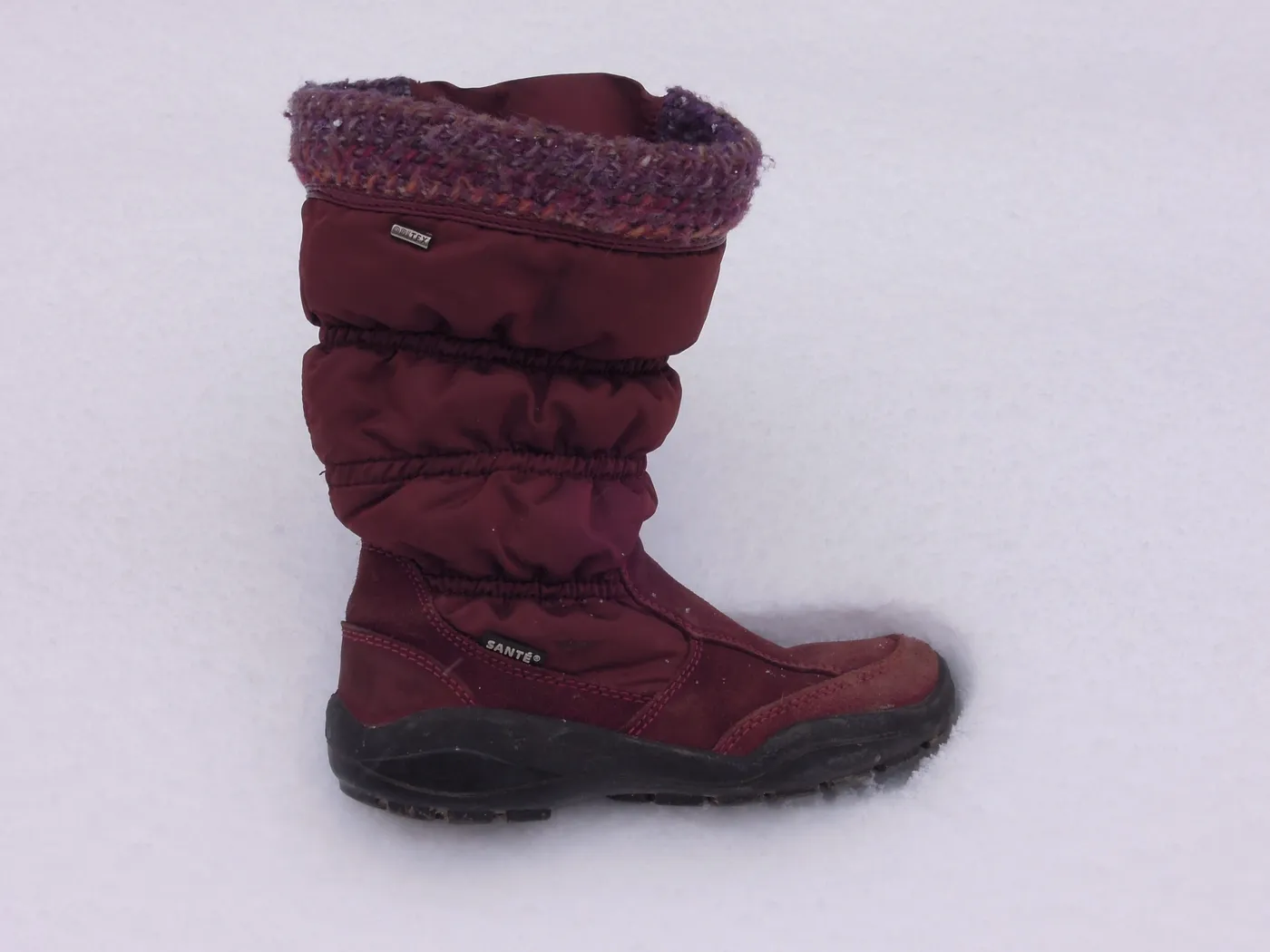
Cover photo: Oto Zapletal, “Boot on snow”, CC BY 4.0, via Wikimedia Commons. Resized and converted to WebP. A footwear illustration, not evidence of a Hokkaido location or product performance.
Find a place to stay
These are affiliate links. We may earn a commission if you book — the price you pay is the same. Learn more


Northern Land Hokkaido Team — Sapporo, Japan