NORTHERN LAND HOKKAIDO

One of Hokkaido's 179 towns

Sapporo札幌市

The island's capital, where the trip starts and the nights are best

Ishikari region · Sapporo's city life, plus Lake Shikotsu, Jozankei Onsen and the Ishikari City coast.

CityFoodNightlife

Sapporo combines city sightseeing with ramen, soup curry and the Snow Festival. Check seasonal event dates and choose your base around the places you want to visit.

Sapporo is Hokkaido's capital and Japan's fifth-largest city, laid out on a grid across the Toyohira River fan at the western edge of the Ishikari Plain. It is where almost every trip lands, and it earns the stay: miso ramen, soup curry, jingisukan and the beer that was first brewed here in 1876, plus a February snow festival that fills Odori Park with ice. The city limits also reach deep into the mountains, so Jozankei's hot-spring gorge and real ski slopes are inside town. Come for the food and the easy logistics, and stay for the way the wild starts at the last subway stop.
Sapporo at a glance

Region
Ishikari (石狩)
From New Chitose Airport
Unrouted model: ~58 km · 54 min summer / 1.1 h winter
Best season in Ishikari
City food in every season, beer gardens in summer and the Snow Festival in winter. Check event dates before planning.

Model figures do not follow roads or account for passes or closures; they are not driving-time estimates. They assume straight-line distance × 1.35 and 65 km/h in summer / 55 km/h in winter. Check the actual route, breaks and road conditions. Model assumptions and limitations

Plan your time in Sapporo

Central Sapporo works well on foot and by subway, but adding Jozankei or another outlying area to the same day creates a lot of travel. Decide first whether the priority is city food and streets or nature beyond the centre.

Half day · 4–5 hours: Sapporo Station → former Hokkaido Government Office area → Odori Park → Tanukikoji, with one main meal.

Full day · 8–10 hours: Add either Maruyama and Hokkaido Shrine or Mt. Moiwa to the central route, then finish with dinner in Susukino.

With two nights: Use the first day for the centre and the second for Jozankei or another outer area. If adding Otaru as a day trip, keep it separate from suburban Sapporo sightseeing.

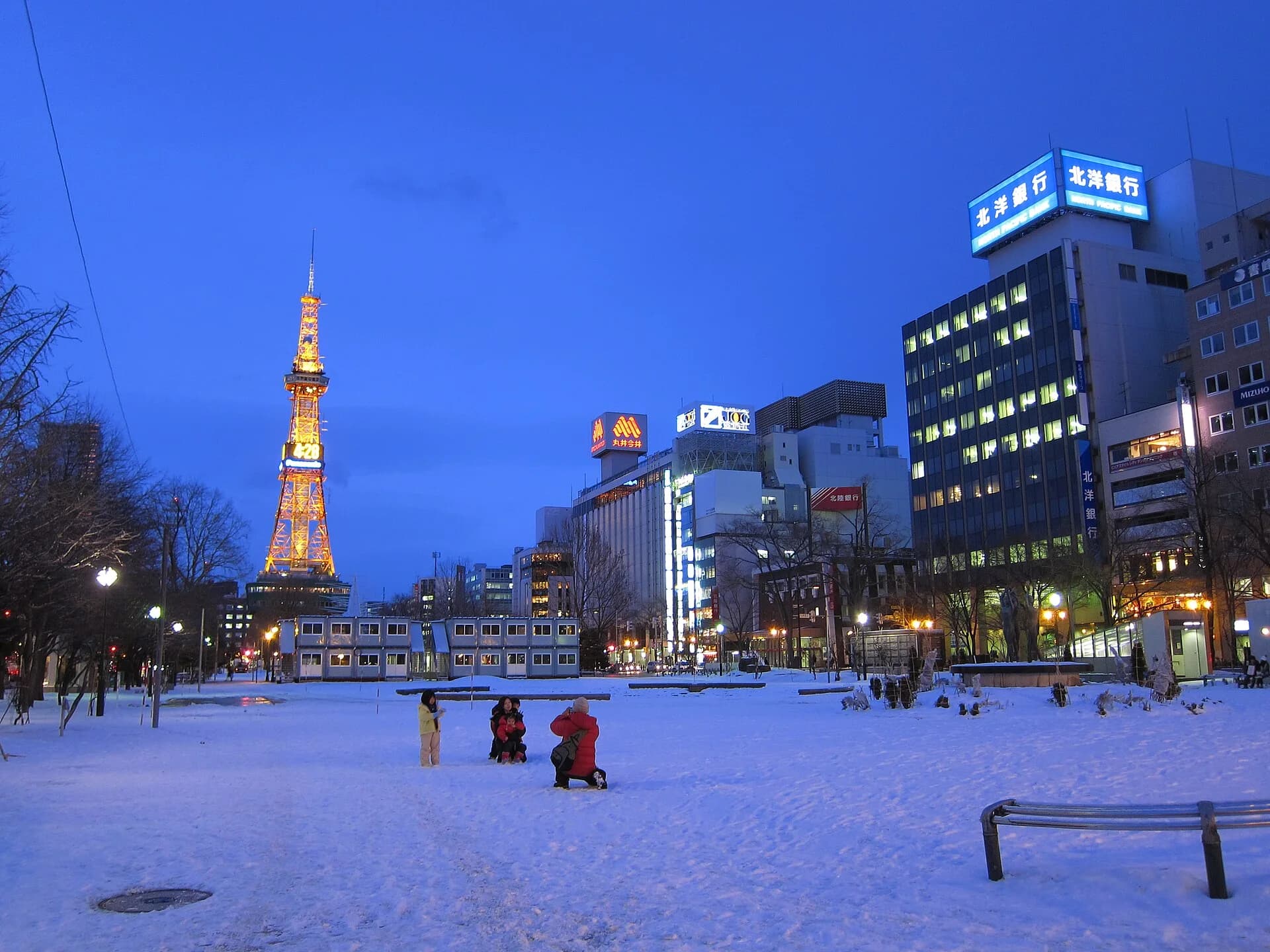
Odori Park and Sapporo TV Tower on a winter evening.
Odori Park and Sapporo TV Tower on a winter evening.ja:利用者:Haseyu- · Resized and cropped for display

Start in Odori and walk through central Sapporo

Odori Park is a useful starting point for understanding central Sapporo. Walk west from the TV Tower, then choose between the Clock Tower and former Hokkaido Government Office area or a turn south towards Tanukikoji. Large events can slow the walk, so leave space in the schedule.

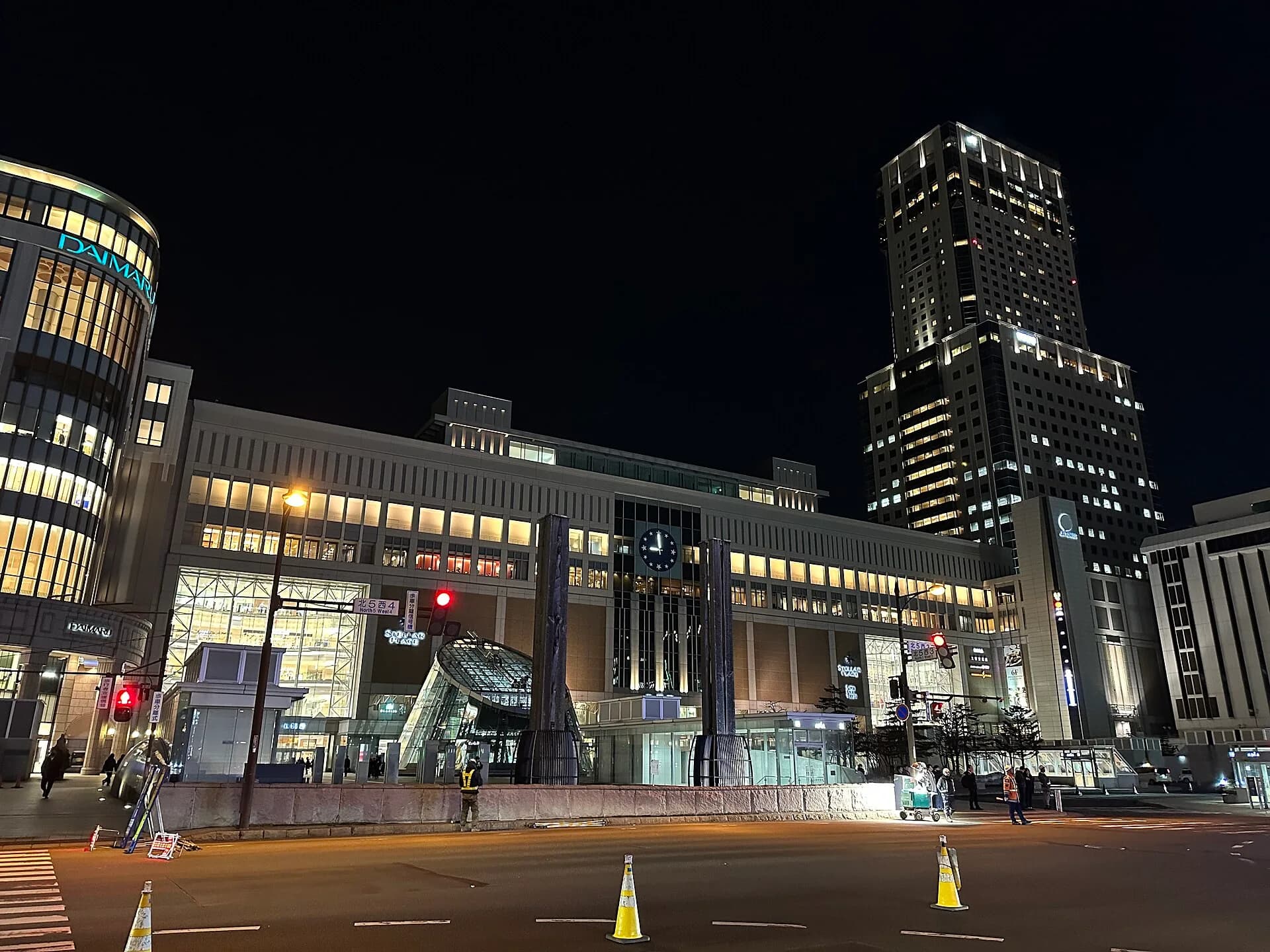
Sapporo Station’s south entrance at night. Consider meals and onward travel when choosing your hotel.
Sapporo Station’s south entrance at night. Consider meals and onward travel when choosing your hotel.ノボホショコロトソ CC BY 4.0 · Resized and cropped for display

Use the station area on arrival and travel days

On arrival days or before an early train, keep meals and shopping near Sapporo Station. The underground walkway reaches Odori and is useful in poor weather, although it bypasses the street-level sights. Include time to store or collect luggage before crossing the city.

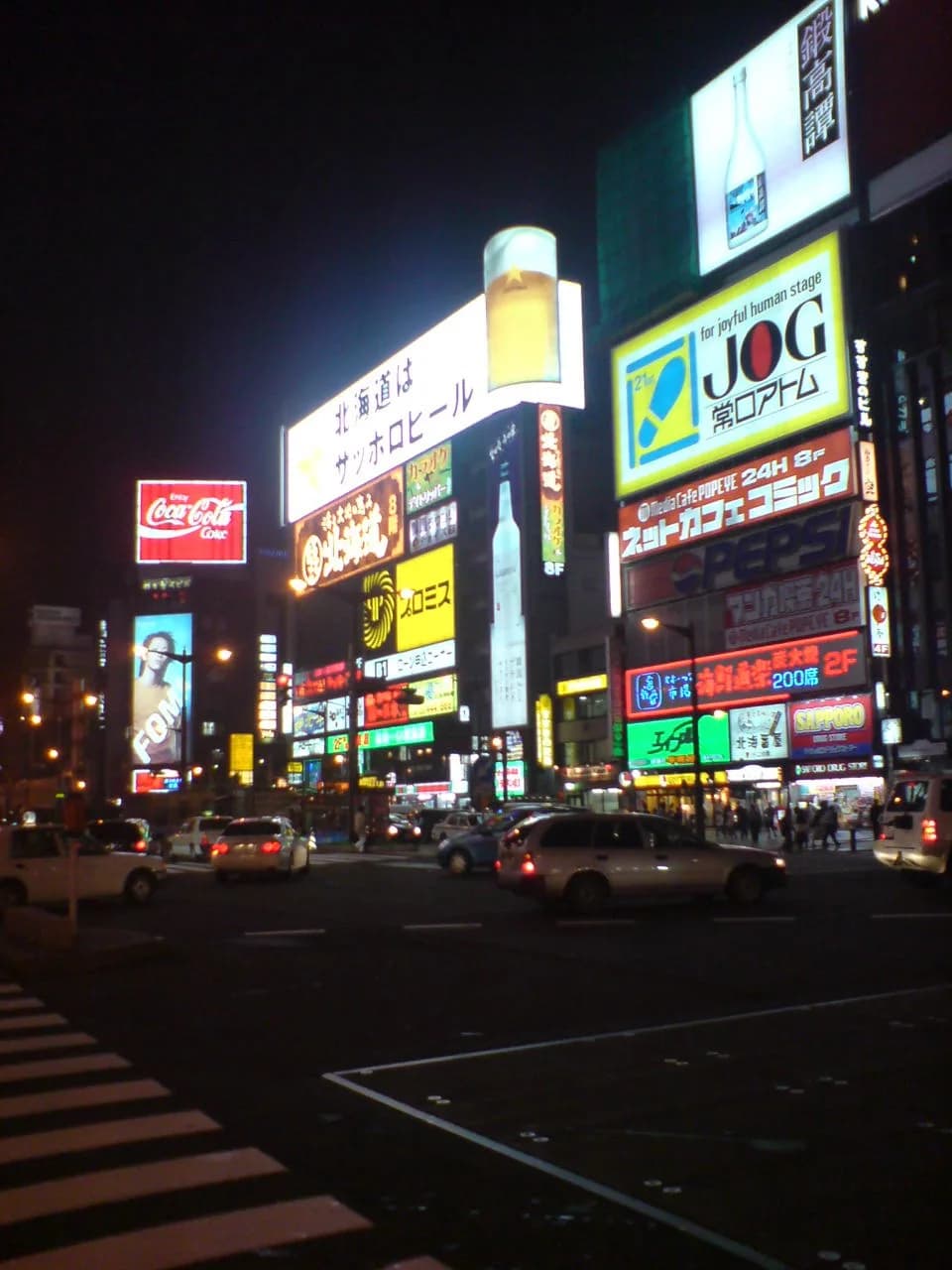
The illuminated signs and streets of Susukino at night.
The illuminated signs and streets of Susukino at night.hwoarang17 · Resized and cropped for display

Plan the evening around Susukino

Susukino offers so many choices that deciding after you arrive can consume the evening. Choose a dish and budget first, and check whether busy nights require a reservation. It is walkable from Odori and Tanukikoji, while the subway can be easier when winter pavements are slippery.

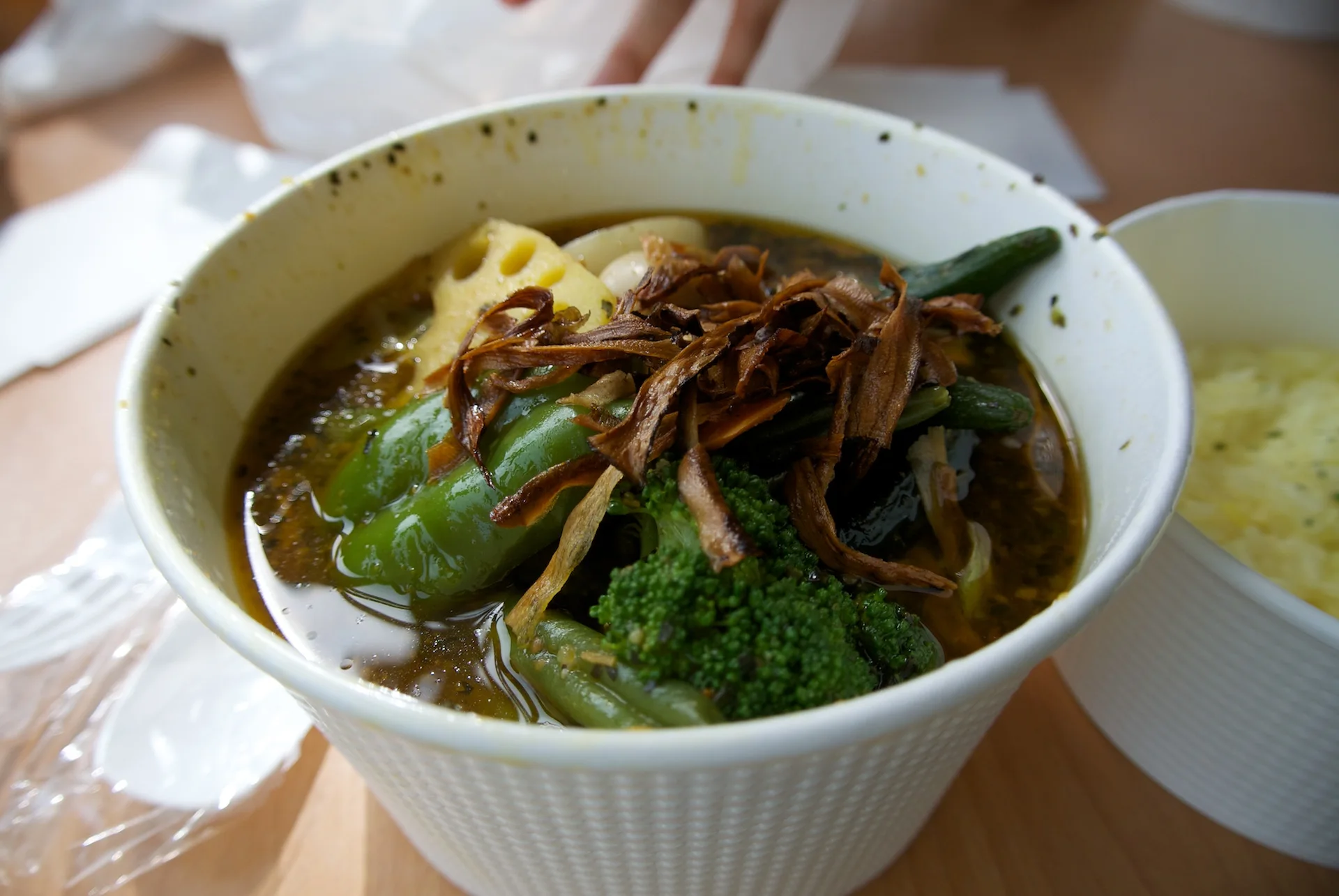
Soup curry in Sapporo, with vegetables and toppings that vary by restaurant.
Soup curry in Sapporo, with vegetables and toppings that vary by restaurant.Koichi Oda CC BY-SA 2.0 · Resized and cropped for display

Let the food shape the route

Rather than squeezing miso ramen, soup curry and jingisukan into one stretch, spread them across lunch and dinner. Searching near that day's sights reduces unnecessary travel. Seafood is also easy to find in Sapporo, but check market opening days and hours before visiting.

Rain, snow and travelling without a car

In rain or heavy snow, use the underground routes from Sapporo Station towards Odori and Susukino as the backbone of the day. Put indoor stops and meals first, then move outdoor sights to a calmer weather window. Winter walking takes longer, so protect your footing and reduce the schedule.

You do not need a car for central Sapporo: three subway lines, the streetcar and walking cover the main areas. Treat Jozankei or other outer districts as a separate outing and confirm the return journey before leaving.

Planning sources (checked 10 September 2026): Visit Sapporo official guide · Sapporo subway and streetcar maps

Getting to Sapporo

New Chitose Airport is about 40 minutes away on the JR Rapid Airport train, which runs several times an hour. Sapporo Station is the hub of the Hakodate Main Line, the Chitose Line and the Sasshō Line, and three subway lines plus a streetcar cover the city. By car the Dō-ō Expressway links Sapporo to the airport and the rest of the island; Route 230 climbs to Jozankei and on over Nakayama Pass.

Ishikari region: New Chitose Airport and JR Sapporo Station are the main gateways. Lake Shikotsu, Jozankei and the Ishikari City coast each need their own onward bus or car journey.

When to visit Sapporo

Every month works, which is rare in Hokkaido. February brings the Snow Festival and dry powder at the city ski hills. May is lilac season in Odori, June the Yosakoi dance festival, and July to August the beer gardens. October colours Jozankei's gorge. Deep winter is the toughest for walking but the best for eating.

What to eat in Sapporo

Miso ramen, soup curry and jingisukan lamb are the city's three home-grown dishes, and lager has been brewed here since 1876. Crab, sea urchin and salmon arrive from every coast of the island, and the surrounding farms send in corn, potatoes and the old Sapporo Ki onion. Soft-serve ice cream and butter sweets are a local habit, not a tourist one.

Make room for local food

Not sure what to eat in Sapporo? Start with the overview guide to choose your dishes. The ramen and soup curry guides show which area suits your day and how to order, so you can fit meals around sightseeing and getting around.

Sapporo in context: the Ishikari region

·

Click a town to open its page

Sapporo is in the Ishikari region. This page introduces the town; the region guide below covers the wider area and neighbouring communities.

This guide covers the wider Ishikari region, which includes Sapporo and Chitose, home to New Chitose Airport. Ishikari City, on the northern coast, is one of its eight municipalities; if that is where you are heading, use the Ishikari City page.

Read the Ishikari region guide →

Towns near Sapporo

Read next

Sapporo & Otaru in 3 Days

A car-free 3-day Sapporo and Otaru itinerary with two nights in one hotel, winter adjustments, a bad-weather alternative and airport transfer planning.

Read →

Where to Stay in Sapporo

Compare three central Sapporo hotel areas by luggage, late meals and early departures. Choose a base for city walks, day trips and airport travel.

Read →

Sapporo Shiryoukan: free visits, winter hours and access

Sapporo Shiryoukan occupies the former Court of Appeals at the western end of Odori Park. Entry is free, but the building and its individual rooms do not all close together. In winter, last entry to the Hiroshi Ohba Memorial Room is 17:40: choose your arrival time around what you want to see.

Read →

Hokkaido Shrine: winter hours, goshuin and Maruyama access

Hokkaido Shrine stands beside Maruyama Park in Sapporo. Its regular winter closing time is 16:00, so give it a daylight slot before planning your evening in town. Access to the grounds and the opening of the goshuin and amulet counters are separate matters.

Read →

Hokkaido Museum: exhibits, tickets, winter hours and access

Hokkaido Museum in Atsubetsu, Sapporo explores the island’s nature, history and culture through indoor displays. It is separate from the nearby open-air Historical Village of Hokkaido. From October to April it closes at 16:30, with last entry at 16:00: plan around the exhibits you want and your return bus.

Read →

Sapporo Beer Museum: admission, self-guided visits, tours and access

Sapporo Beer Museum is a history museum in eastern Sapporo. A self-guided visit is paid admission, with different booking and participation rules from guided tours and tasting. Start by deciding whether you want a Japanese-speaking guide or an audio guide in your own language.

Read →