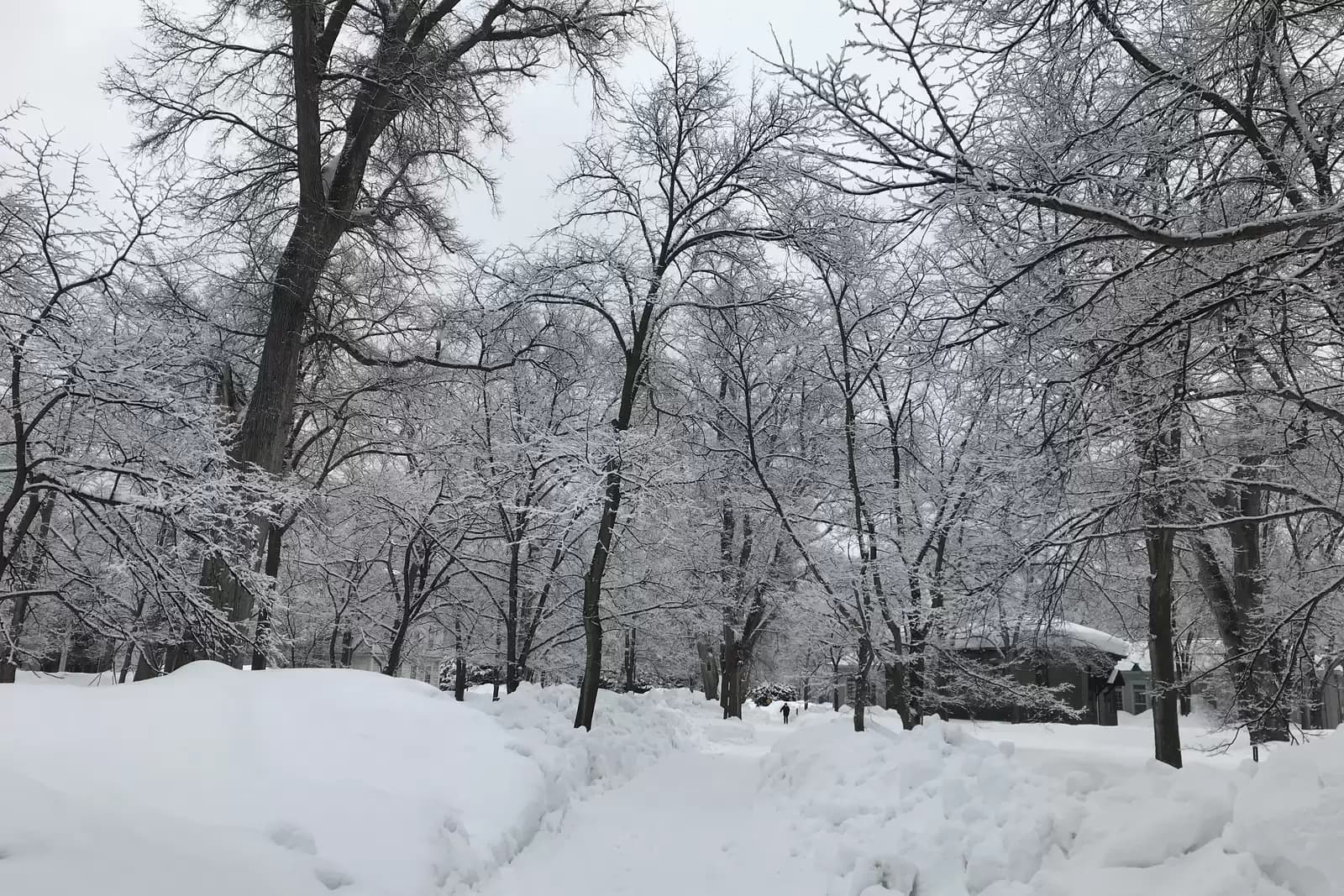
March is the end of Hokkaido's winter, but not the end of the snow. In Sapporo the average daily high is 4.5°C and the low -2.4°C, and the deepest snow of an average March is still 82 cm (JMA climate normals, 1991–2020). The days lengthen quickly: sunset in Sapporo moves from 17:23 on March 1 to 17:59 on March 31, 2027. Spring skiing, the last weeks of the drift ice cruises and the end of the winter light-ups all fall in this month.
March 2027 at a glance
| Date | What |
|---|---|
| March 1–22 | Niseko All Mountain Pass at the Regular Season price (adult 1-day ¥12,600) |
| March 10 | Last planned day of Hoshino Resorts Tomamu's Ice Village |
| March 14 | Sapporo White Illumination season ends (each site has its own period) |
| March 22 | Last day of Niseko night skiing |
| March 23 | Niseko Spring Season price begins (adult 1-day ¥8,800, to April 4) |
| March 31 | Last day of the Aurora (Abashiri) and Garinko-go (Monbetsu) drift ice cruises |
Dates come from each organiser's or operator's official site, checked between 12 and 16 October 2026. They are planned dates, and drift ice is never guaranteed on a given day.
March weather: milder days, deep snow on the ground
| Station | Average high / low | Snowfall | Deepest snow |
|---|---|---|---|
| Sapporo | 4.5 / -2.4°C | 74 cm | 82 cm |
| Asahikawa | 3.0 / -6.1°C | 80 cm | 82 cm |
| Kutchan (Niseko area) | 3.0 / -5.7°C | 122 cm | 170 cm |
| Abashiri | 2.3 / -4.9°C | 52 cm | 52 cm |
| Hakodate | 5.8 / -2.2°C | 41 cm | 28 cm |
These are the Japan Meteorological Agency's 30-year normals for March. Snowfall is the total that falls during the month; deepest snow is the average of each March's deepest snow cover. Less snow falls than in January or February, but the snow that has built up through the winter is still there: in Kutchan the average deepest snow in March is 170 cm. Daytime highs above freezing mean melting snow, slush and puddles in the cities, then refreezing overnight. Our winter weather guide compares every month from December to March.
March city walks: plan for wet footwear, not just cold air
The thaw-and-refreeze pattern above makes footwear part of the day's route planning. These are our practical suggestions, not a guarantee that a particular shoe or path will be safe.
- Choose for water and grip separately. Check the maker's waterproofing and winter-use guidance, then try the shoes with the socks you will actually wear. Warm lining alone does not establish waterproofing, and waterproof footwear is not automatically slip-resistant on ice. Do not choose light city shoes solely because the forecast high is above freezing.
- Keep a dry change within reach. Carry spare socks and a bag for wet items in your day bag, not only in luggage left at the hotel. If footwear becomes wet inside, shorten the walk and return somewhere you can change; changing socks alone will not keep them dry inside a soaked shoe. For children, check comfort during breaks rather than waiting until the planned end of the outing.
- Confirm drying before relying on one pair. Ask the accommodation whether it has a permitted place or equipment for drying footwear, any charge and when it can be used. A guest laundry does not necessarily accept shoes, and a ski drying room is not necessarily available to every guest. Follow the footwear manufacturer's care instructions and the property's rules; do not assume a heater or laundry dryer is suitable. No drying time is guaranteed, so decide what you would wear the next morning if the pair is still wet.
For a Sapporo sightseeing day, group nearby outdoor stops together and keep an indoor alternative that does not require another long walk. Check the actual entrance and opening hours, not just the building's position on a map. The Sapporo indoor sightseeing guide helps choose an alternative; the winter packing list covers the rest of the clothing. Returning to change may be a better use of the afternoon than completing a walking checklist in wet shoes.
When does the snow end?
| Station | Lasting snow cover ends | Last snow on the ground (1 cm) | Last snow |
|---|---|---|---|
| Sapporo | April 2 | April 7 | April 21 |
| Asahikawa | April 7 | April 14 | May 1 |
| Kutchan (Niseko area) | April 17 | April 18 | April 27 |
| Abashiri | April 1 | April 18 | May 11 |
| Hakodate | March 10 | March 28 | April 16 |
These are average dates for August 1990 to July 2020 from the Japan Meteorological Agency's Sapporo Regional Headquarters. In an average year the ground in Sapporo, Asahikawa and Kutchan stays snow-covered through March, while in Hakodate the lasting snow cover usually ends in early March. Snow can still fall in April.
Longer days
| Sapporo, 2027 | Sunrise | Sunset |
|---|---|---|
| March 1 | 6:12 | 17:23 |
| March 15 | 5:48 | 17:40 |
| March 31 | 5:20 | 17:59 |
Times are from the National Astronomical Observatory of Japan's calculations for Sapporo. By the end of March there is about 12 hours 40 minutes between sunrise and sunset, compared with under 10 hours at the end of November.
Skiing in March
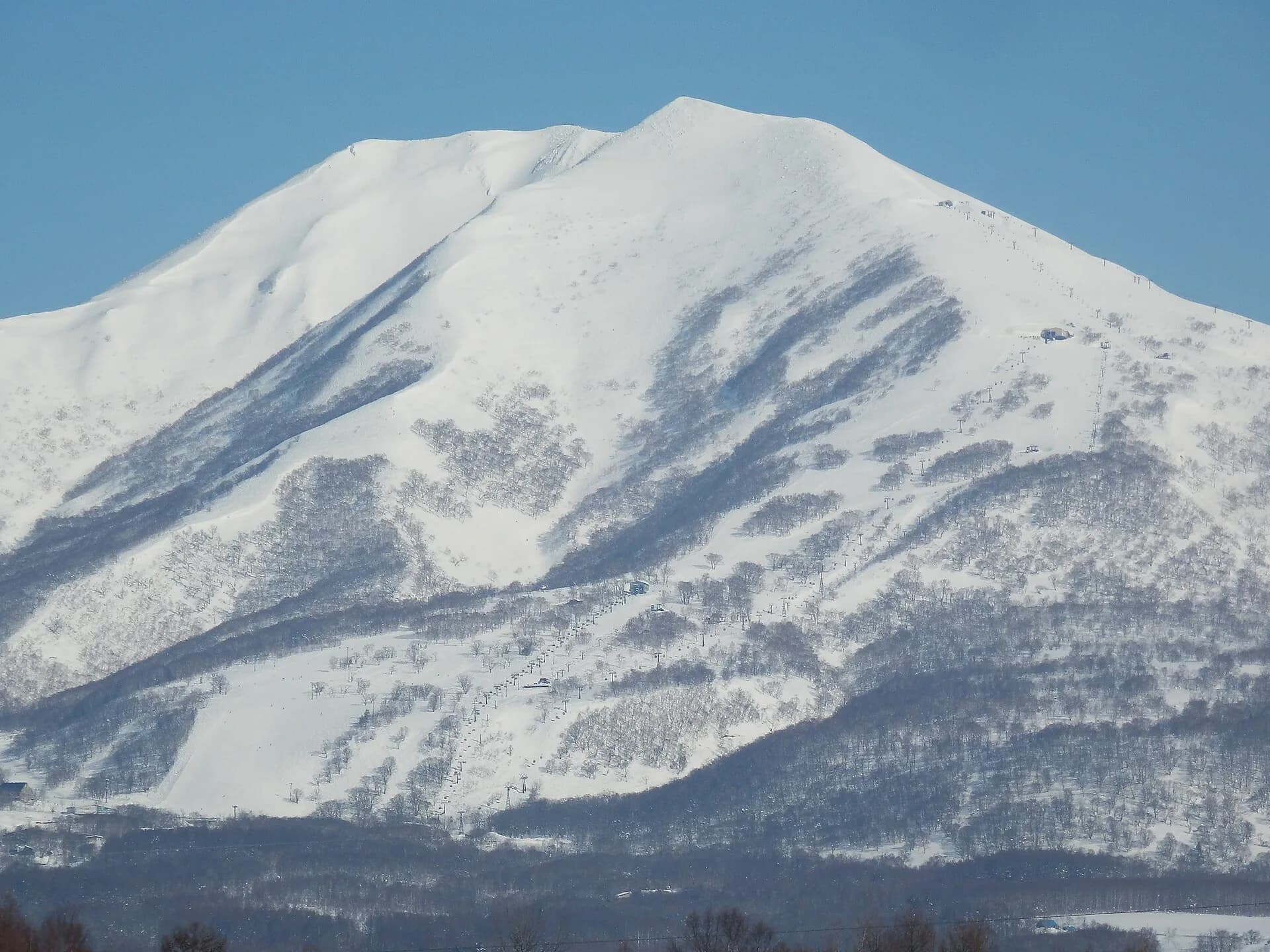
All four Niseko United areas are still open in March. The planned closing dates are April 4, 2027 for Niseko Village, April 11 for Hanazono, and May 5 for Grand Hirafu and Annupuri; Furano Ski Area also plans to run to May 5. Night skiing in Niseko ends on March 22.
The adult 1-day All Mountain Pass is ¥12,600 from March 1 to 22 and drops to the Spring Season price of ¥8,800 from March 23 to April 4. Snow in March changes through the day, softening in the sun and firming up again as it cools, which suits a spring-skiing trip more than one built only around fresh powder. Our Niseko month-by-month guide compares March with midwinter.
Last chances for winter sights
Drift ice. Both icebreaker cruises run until March 31, 2027: the Aurora from Abashiri and the Garinko-go from Monbetsu. Fares for the Aurora depend on the route, so check the route and price for your date on its official price page. Whether there is ice on a given day depends on the wind and sea, and late in the season it can be gone; see our drift ice guide for what happens on a day without ice. For a late-season trip based in Abashiri, the Abashiri in winter guide shows how to spread arrival, the cruise and the return over two nights, and where to stay.
Lights and ice. The Sapporo White Illumination season ends on March 14, 2027, but each site has its own period, so check the official site for the area you want to see. Tomamu's Ice Village is planned to close after March 10.
Asahiyama Zoo's penguin walk. The zoo's official FAQ says the walk needs enough snow for its course and typically runs from late December to mid-March. It depends on conditions, so do not count on it in the second half of the month; our Asahiyama Zoo winter guide explains how to plan the day.
Planning tips for March
These are our suggestions, not official advice.
- Choose by what you want to see. Early March still has the winter sights and the Regular Season ski price; late March brings cheaper lift passes and longer days, but the light-ups have ended and drift ice is less likely.
- Pack waterproof boots. Melting snow and slush are the norm on city pavements; grip matters again when it refreezes in the morning and evening. See our winter packing list.
- Keep winter driving rules. Snow and ice are still on the ground across much of Hokkaido, especially inland and in the mountains. Our winter transport guide covers driving and delays.
- Use the extra daylight. With sunset after 17:00 all month, a full day trip from Sapporo is easier than in December or January; see day trips from Sapporo.
For the months either side, see Hokkaido in February and Hokkaido in April, and our Hokkaido in winter guide for the whole season.
A March itinerary: choose one main purpose before booking
These are suggested night allocations, not packaged tours or guarantees of transport availability. Check the dates above against the actual days you will visit: being in Hokkaido in March does not mean every winter attraction is still operating.
- Two nights / three days, city sightseeing: stay in Sapporo both nights. Use day 1 for arrival and a meal, day 2 for Otaru or a Sapporo sightseeing day, and day 3 for departure. Follow the Sapporo and Otaru three-day plan, but move outdoor walking to a time when conditions suit. Do not make a particular light-up the only reason for an evening out without checking that site's dates. This is the simplest of these options if you want food and city sights rather than a ski holiday.
- Four nights / five days, skiing first: an example is Sapporo on night 1, Niseko on nights 2 and 3, then Sapporo again on night 4. Day 2 includes the resort transfer, day 3 is the main ski day and day 4 includes the return; do not count the transfer days as full ski days before checking transport, equipment collection and check-in. If two full ski days matter more than city sightseeing, compare three consecutive resort nights instead, provided your arrival connection works. The Niseko transfer guide helps check both directions. Choose your dates for the skiing you want, not the lower lift price alone.
- Four nights / five days, a winter sight first: if the zoo is the priority, one possible allocation is Sapporo on nights 1 and 4 and Asahikawa on nights 2 and 3, with the zoo on day 3. See where to stay in Asahikawa. Decide whether the zoo is still worth the journey to you without the penguin walk. If drift ice is the priority instead, build a separate route around the chosen port, its airport or rail connection and a local overnight stay; do not simply add it to the Sapporo–Niseko plan.
Compare the whole trip, not just the spring lift price
Price the same number of travellers and nights for each possible departure date. Include flights, rooms, the lift product you will actually use, rentals, lessons and both transfer directions. A cheaper lift ticket does not establish that the whole trip is cheaper. Check the actual service dates and last connections of the transport and activities you need; a ski area's planned season is not a timetable for every bus, lesson or rental shop. Use the trip budget worksheet to record the difference, including any cancellation charge on existing bookings.
For a late-season winter attraction, write down a replacement you would genuinely enjoy in the same base, then check its opening hours separately. Decide before paying whether you would keep the trip if the headline activity were unavailable. Extra daylight is useful for walking, but does not extend opening hours or the last bus. Keep the final day's flight connection independent of an optional last excursion.
Skiing on the transfer day: work backwards from equipment return
In the four-night example above, day 4 is both a possible ski morning and the move back to Sapporo. Treat the skiing as optional until the whole departure chain fits. Longer daylight and a spring lift price do not create more time before your booked transport. The following is our planning method, not a rental shop's or bus operator's policy.
- Fix the boarding point and reporting time. Confirm the actual date, stop and luggage allowance with your transport provider. A hotel pickup, a resort bus stop and a rental shop are not necessarily the same place. Use the Niseko transfer guide for the route, then check your booking's own instructions.
- Place equipment return before boarding. Ask the rental shop where the complete set must be returned, when it is due, whether checking the set takes time, and what happens if you finish early or late. Do not assume a hotel can accept equipment rented elsewhere, or that an early return earns a refund.
- Fit checkout, changing and bags around that return. Ask the accommodation whether you can leave bags after checkout and use a changing space afterwards; room access, a shower and luggage storage are separate questions. Keep ordinary shoes and dry clothes accessible rather than buried in a stored suitcase. The Niseko accommodation guide helps compare the location of these stops.
- Set a finish-skiing time with spare time. Work backwards through leaving the slopes, returning equipment, changing, eating, collecting bags and reaching the stop. Use the actual locations and your group's pace, not just the lift's closing time. If a lesson cannot finish before that cutoff, move it to the full ski day rather than relying on an early departure from the lesson.
Compare two versions before buying the extra ski time: finish on day 3 and travel on day 4, or ski briefly on day 4 before transferring. Record any extra lift ticket, rental period, lesson and transfer cost in the trip budget. A short morning may not justify another full-day product; ask which products actually fit rather than assuming half-day prices exist.
A useful enquiry is: “We check out on [date] and must report at [stop] by [time]. Can we store bags and change after checkout? Where and by when must we return the equipment, and what charges apply if we shorten the rental?” Send the relevant parts to the hotel and rental shop separately. If the chain does not fit, keep day 4 as a transfer day. For a same-day flight, preserve the airport connection rather than stretching the final ski session.
Frequently asked questions
Is there still snow in Hokkaido in March? Yes. In an average March the deepest snow on the ground is 82 cm in Sapporo and 170 cm in Kutchan, near Niseko, and 74 cm of new snow falls in Sapporo (JMA normals).
How cold is Sapporo in March? The average daily high is 4.5°C and the low -2.4°C.
Can you ski in Hokkaido in March? Yes. All four Niseko United areas are open through March, with the Spring Season price of ¥8,800 for an adult 1-day pass from March 23, 2027. Night skiing ends on March 22.
Can you see drift ice in March? The Aurora and Garinko-go cruises run until March 31, 2027, but ice is not guaranteed, especially late in the month.
Is the Asahiyama Zoo penguin walk on in March? According to the zoo, it typically runs from late December to mid-March, depending on snow.
Snow dates: JMA Sapporo Regional Headquarters, normals for first and last snow (checked 19 October 2026). Sources checked 12–16 October 2026: Japan Meteorological Agency climate normals 1991–2020 (historical weather data); National Astronomical Observatory of Japan, sunrise and sunset for Sapporo, March 2027; Niseko United lift pass page; Furano Ski Area; Hoshino Resorts Tomamu; Sapporo White Illumination; Aurora price page (rechecked 20 October 2026); Garinko-go; Asahiyama Zoo FAQ. Planning tips are our editorial judgement.
Find a place to stay
These are affiliate links. We may earn a commission if you book — the price you pay is the same. Learn more

Northern Land Hokkaido Team — Sapporo, Japan